The Room With No Instructions: Filming a Dry-Hire Wedding That Still Feels Like You
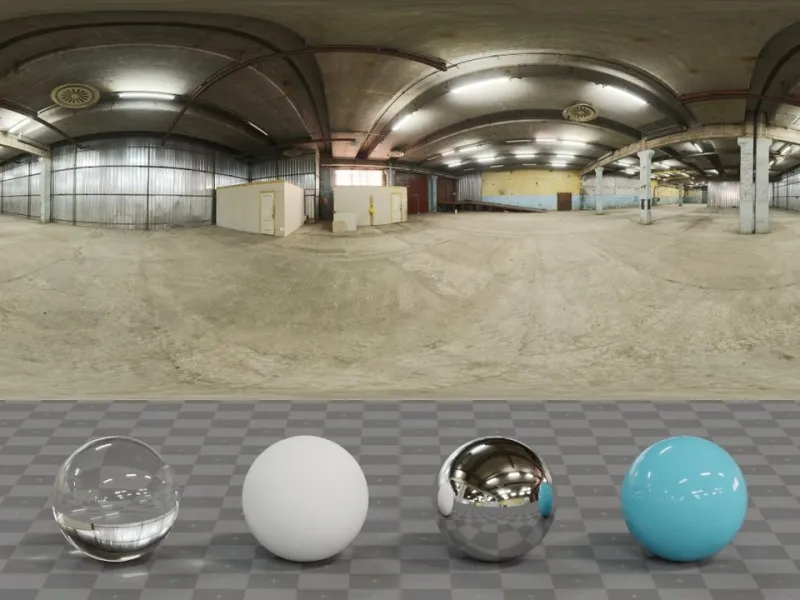
Photo: Sergej Majboroda, CC0, via Wikimedia Commons
Dry hire sounds liberating until you stand in a converted warehouse at 8am with a registrar, a string quartet and a camera wondering where the light is meant to come from. There is no in-house wedding manager, no built-in PA, no obvious aisle and definitely no one handing out a floor plan. That is not a problem. It is just a different kind of planning. The empty room is the point — you just have to give it a bit of thought before the fairy lights go up.
Start with the room as it sounds, not as it looks
Hard surfaces are the first thing to notice. Brick, glass, concrete and timber look wonderful on camera, but they bounce sound around until speeches turn into a wall of echo. Ask the venue whether they have any acoustic treatment, and if not, think about where the soft things can go. Drapes, rugs, tablecloths, upholstered seating and even a few well-placed acoustic panels can take the edge off. A high-ceilinged glass room may look stunning, but it is a difficult place to record a vow.
For the film, sound is not a backup feature. If the venue has a PA, ask for a radio mic on the celebrant or registrar and a separate recorder near the speaker. If there is no PA, a handheld mic and a small recorder can still capture the ceremony cleanly. Speeches are easier when the speaker is miked rather than relying on a room mic to catch everything. Also ask about the sound limiter. Many UK venues have one, and it may cut the power if the band or DJ gets too lively. The film crew, band and venue should all know where it is and what it does before the day.
Kitchen extractors, fridges, hand dryers and bar coolers are the quiet enemies of a wedding film. Ask if they can be switched off during the ceremony, or at least during the vows. It sounds fussy. It is not. A low hum on every emotional line is very hard to forgive later.
Light is something you build, not something you borrow
Most dry-hire spaces were not designed for filming. You may get fluorescent strips, sodium security lights, huge windows with no diffusion, or a mixture of all three. The camera wants consistency, so decide on one look and stick to it. Mixed colour temperatures — warm tungsten bulbs next to cool LED panels — can make skin tones look odd and the room feel disjointed.
Ask the venue what can be dimmed, what must stay on and what cannot be touched. Emergency lighting often stays on, which may leave a green glow somewhere in the background. Listed buildings and museums may not allow rigging, tape or anything fixed to the walls. That does not mean no light. It means freestanding battery-powered LED panels, carefully weighted stands and a conversation with the venue about what is allowed. No gaffer tape on historic paint, please.
If the room has big windows, think about the time of the ceremony. A late-afternoon ceremony in winter may be backlit by 3pm, which can look beautiful but makes faces hard to read. A midday summer ceremony may be the opposite. Visit at the same time of day as the ceremony if you can, and take a phone photo of how the light falls. Practical lights — festoon, table lamps, candles if the venue permits them — should be part of the look, not the only source of light on the couple.
Power is a production decision
Dry hire means you bring the power, or you make very good friends with the caretaker. Check how many sockets there are, where they are and whether they are on the same circuit. Ask about RCD protection, PAT testing and public liability requirements. Some venues will want an electrician for anything beyond a standard plug. Generators are possible, but they need to be sited away from the ceremony so the sound and fumes do not become part of the film.
Cable ramps, matting and careful routing stop the day looking like a building site. Do not run cables across an aisle or a dance floor without covering them. Label the ones that matter. Keep a charging station away from the bar so camera batteries and phones are not competing with the till. If the venue has a technician, book them. If it does not, ask who is on call when a fuse goes.
Give the camera a route, and guests a reason to move
Crowd flow is not just about queues for the bar. Where do guests enter? Where do they put coats, buggies and presents? Where will they stand during the ceremony? A camera needs sightlines. If the aisle is narrow, a long lens at the back may be better than a tripod in the middle. If the registrar is tucked into a corner, ask whether the couple can stand somewhere with a cleaner background. Small shifts make a big difference.
Speeches are easier to film when the speaker has a clear space around them and the camera is not staring into a fire exit. Dance floors work better when they are not under a low beam or beside a stack of chairs. None of this needs to turn the room into a film set. It just needs a little thought about where people will naturally gather.
Let the constraints show
A warehouse does not need to be dressed as a ballroom. Concrete, roller shutters and industrial windows are the character. A barn does not need every beam covered in fabric. A museum does not need the exhibits hidden. A village hall can be bunting, trestle tables and a proper community feel. The film will be stronger if the venue is allowed to be itself.
That does not mean ignoring comfort. Soften the sound, warm the light, make sure guests can see and hear. But do not fight the space so hard that it stops looking like the place you chose. The best dry-hire wedding films tend to have a bit of grit and texture to them. They look like a real day in a real room, not a hotel function suite with the lights turned down.
The recce that pays for itself
Before you book, visit at the same time of day as the ceremony. Take photos of the sockets, windows, ceiling, fire exits and anything that makes noise. Ask who opens and locks up, when suppliers can load in, whether there is a curfew, what the sound limit is and what is banned. Candles, confetti, tape, smoke machines and sparklers all have different rules in different venues. Get it in writing and share it with your film crew.
A recce is not admin. It is pre-production. It is how you find out that the only power socket is behind the bar, or that the ceremony room has a skylight that turns into a spotlight at 4pm. Better to know now than on the day.
A dry-hire room asks you to make decisions. That is actually a gift. The film will look and sound like your wedding, not a venue’s standard package. Plan for the camera before the decorations go up, then let the place be itself.