Wet Nose, Wide Shot: Filming Your Wedding Dog With a Bit of Restraint
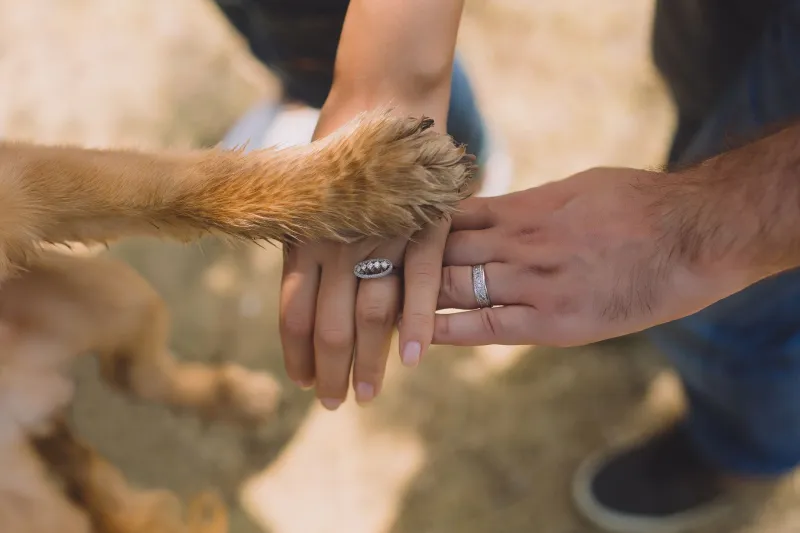
Somewhere between the confetti and the canapés, a dog is having the best day of its life. Maybe it’s the couple’s spaniel, maybe it’s a borrowed Labrador with a bow tie, maybe it’s the bride’s childhood terrier who has no idea why everyone is crying. In a UK wedding film, these animals are never just extras. They’re chaos, warmth and a reminder that the day is about real people — and the creatures who put up with them.
But a wedding dog can also turn a carefully paced film into a pet circus. The trick is not to squeeze the dog into every shot. It’s to make room for the dog in the story, then let the day happen around it. At One Forever Films, we’ve learned that the best animal moments are rarely the ones anyone planned. They’re the muddy dash across the lawn, the nervous wait in the vestry, the dog asleep under the table during the speeches. Small, chaotic and completely human.
Start With the Dog’s Day, Not the Shot List
Before you think about filming, think about temperament. A dog who loves a quiet walk may not love a church full of strangers, a string quartet and a hundred people saying “aww” at once. A dog who adores attention may be brilliant in the getting-ready room and less brilliant during the vows. There’s no shame in having the dog for part of the day only.
Check the venue’s rules early. Many UK churches allow dogs, but some only in the porch or at the back. Register offices often have stricter policies, and marquee weddings may have their own concerns about muddy paws and white linens. Ask the celebrant, the vicar and the venue coordinator before you promise your dog a starring role. If the answer is no, don’t force it. A dog waiting happily with a friend nearby can still be part of the film — just not inside the ceremony room.
Give one person the job of dog handler. Not the bride, not the groom, not the person who has already agreed to hold the rings, the tissues and the confetti. A dedicated handler can manage the lead, the treats, the water and the towel, and can step out if the dog gets restless. This is the single most useful thing you can do for the film, because it means the camera can stay patient instead of becoming a pet-wrangling service.
The Vestry Wait Is Part of the Story
The quiet minutes before a ceremony are gold for a wedding film. Guests are finding their seats, the light is changing, and everyone is pretending not to be nervous. A dog adds another layer. The click of claws on stone. A collar tag jingling. A wet nose pushing against a hand. The dog looking at the door as if to ask when the bride is coming.
These are the frames you’ll want later. Not because they’re polished, but because they’re true. A long lens and a bit of patience will capture them without turning the vestry into a photo booth. Keep the dog on a lead, keep the treats quiet, and let the handler decide when the dog has had enough. If the dog starts whining during the vows, that’s not a disaster — it’s a moment. But it’s better if it’s a short moment, handled calmly at the back of the room.
Mud Is Not the Enemy — Your Schedule Might Be
British weather being British weather, a dry forecast means very little. If your dog is joining you for photographs or a drinks reception, plan for mud. Bring a towel, a water bowl, a spare lead and a bag for anything unpleasant. A microfiber towel is worth its weight in gold. So is a dog-friendly blanket for the car.
Try not to schedule the dog’s big appearance directly before the group photographs. A muddy dog who wants to say hello to every guest can derail the timeline faster than a broken heel. Instead, build in ten minutes for the dog to run, sniff and shake itself dry while the filmmaker captures the chaos. Then hand the lead to the handler and let the dog go home, nap in a quiet room or settle with a friend. The film doesn’t need the dog for the whole day. It needs the dog for the right moments.
Keep the Circus Off the Screen
It’s easy to overdo it. A dog in a bow tie is charming. A dog in a bow tie being carried down the aisle while three people wave squeaky toys is a different film entirely. The aim is not to make the wedding look like a pet advert. It’s to let the dog behave like a dog, within reason.
So skip the endless posed shots. Capture one or two hero frames — the dog waiting at the church door, the dog running across the lawn, the dog asleep under the top table — and let the rest happen naturally. Ask guests not to call the dog’s name during the vows. Ask the photographer and filmmaker to coordinate so you’re not both asking the dog to sit at the same time. And don’t worry if the dog refuses to look at the camera. A dog looking at a sausage is more honest than a dog looking at a lens.
The Frames You’ll Actually Rewatch
Years from now, you probably won’t rewatch a perfectly posed shot of your dog in a floral collar. You will rewatch the dog greeting your nan like she’s the greatest person alive. You’ll rewatch the dog stealing a moment during the speeches, or lying on someone’s feet during the first dance. You’ll rewatch the muddy paw prints on the patio and the way your partner laughed when the dog shook itself dry all over the best man.
Those are the frames that last. They’re not tidy, and that’s the point. A wedding film is meant to hold the day as it actually felt — and if a dog was part of that feeling, it belongs in the story. Just not in every single scene.
A Short Planning Checklist
- Confirm the venue and celebrant’s dog policy in writing.
- Appoint one calm, dog-confident handler for the day.
- Pack a towel, water, treats, poo bags, a spare lead and a quiet toy.
- Consider a collar without noisy tags for the ceremony.
- Plan a short, timed appearance rather than an all-day role.
- Tell guests not to distract the dog during vows or speeches.
- Have a quiet space or a friend ready to take the dog home.
A wedding dog won’t make or break a film. But handled with a little thought, those paws and muddy prints can become some of the most human frames in it. And that’s exactly the sort of thing worth keeping forever.