Again, With Feeling: Why 2026 Is the Year of the Vow-Renewal Film

In 2020 and 2021, plenty of UK couples said I do in front of a handful of guests, a laptop on a tripod and a marquee heater fighting a losing battle with the British weather. Five or six years later, those same couples are booking village halls, pub gardens and Sunday-lunch rooms for something gentler: a vow renewal that finally includes everyone. At One Forever Films, we have noticed a steady stream of enquiries for these second celebrations in 2026. They are not nostalgia trips. They are family gatherings with a ceremony at the centre—and they make very different films from the original wedding day.
This Is Not a Do-Over
A vow renewal is not a rematch. Nobody is trying to correct the original wedding, and nobody needs to pretend the first day did not happen. The couples booking these celebrations in 2026 are usually quite clear about what they want: a room full of people they love, a proper meal, and a chance to say the words again now that life looks different.
That difference matters on camera. A wedding film often follows a familiar shape: preparations, ceremony, drinks, speeches, dancing. A vow-renewal film can be looser. There may be children running between chairs, grandparents arriving with walking sticks, friends who have not met before, and a couple who are far less worried about whether the napkins match. The story is not two people becoming a family. It is a family—however that family is made—taking a moment to mark itself.
What Changes on Camera
The biggest shift is time. A wedding day is often scheduled to the minute. A vow renewal can breathe. Couples can book a late-morning ceremony, follow it with a long lunch, and let the afternoon unfold without a rigid running order. For a filmmaker, that means more opportunities to capture the in-between bits: a child asleep on a coat, an uncle topping up glasses, a grandmother holding the order of service as if it were a precious document.
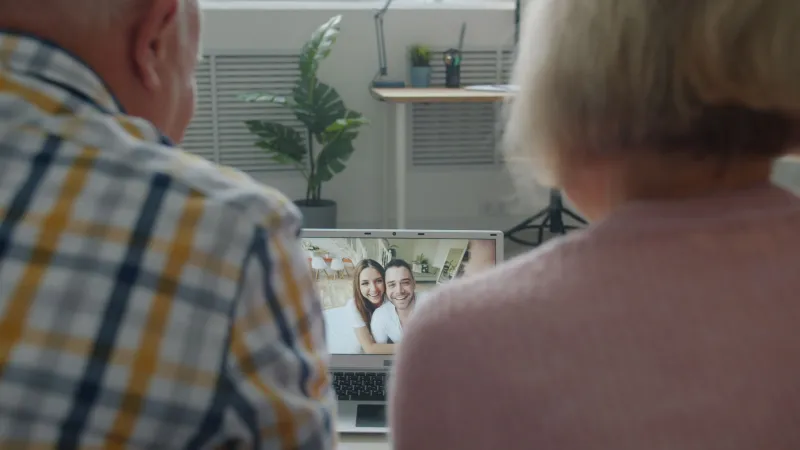
Children are a huge part of these films. Couples who married in 2020 or 2021 may now have toddlers, babies or school-age kids who were not at the original ceremony—or were there as bumps rather than people. Filming a vow renewal gives those children a place in the story. It also gives older relatives a proper role. If a grandparent could not travel in 2021, or had to wave through a window, a 2026 celebration can put them in the front row where the camera can see them.
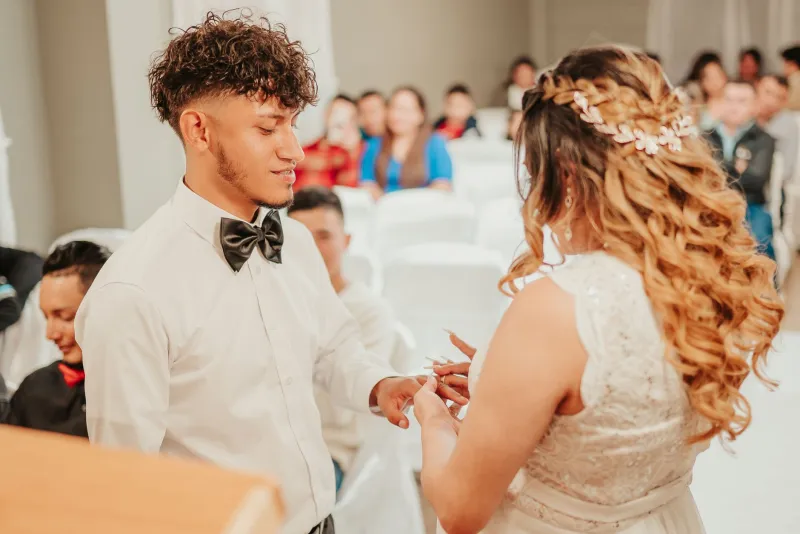
The words also change. Original vows are often written before the hard yards of sharing a home, losing a job, moving cities or raising children. Renewal vows can acknowledge all of that. They can be funny, plain-spoken or quietly serious. They do not need to be legal, and in England and Wales a vow renewal has no legal status—so the ceremony can be shaped around meaning rather than paperwork. Check the rules where you are, but most celebrants are well used to building these ceremonies from scratch.
Planning the Day Like a Film Producer
If you are considering a vow renewal in 2026 or 2027, start with the story you want the film to tell. Is this a big family reunion with a short ceremony? A quiet ceremony followed by a garden party? A city lunch with ten people and no speeches? None of these is better than the others, but they will lead to different films. Decide which moments matter most and protect them in the schedule.
Choose a venue for how it feels and how it sounds, not just how it photographs. A village hall with tall windows and wooden floors can be wonderful. A pub function room with low ceilings can be warm and intimate, though audio might need more care. If you are using a marquee or a garden, have a wet-weather plan that does not involve cramming everyone into a corridor. British weather is not a plot twist; it is a production consideration.
Build a loose timeline with buffer. A ceremony at noon, lunch at one, speeches at three and cake at four is plenty. Do not schedule photographs so tightly that nobody gets to talk. If you are inviting older guests, think about parking, steps, seating and the distance from the ceremony to the meal. If you are inviting children, decide whether you want them in the ceremony and whether there is a quiet room or an early finish for anyone who needs it.
Talk to your filmmaker about audio. A vow renewal often has more talking than a wedding: fresh vows, readings, a few words from friends, children interrupting. A small clip-on microphone on the celebrant and one on the couple can make the difference between a film that sounds like a room and one that sounds like a conversation. If you have old footage or photographs from the original wedding, share them early. A short sequence showing 2021 and then 2026 can be lovely without turning the film into a slideshow.
Finally, do not feel obliged to recreate anything. You do not need the same first dance, the same cake or the same outfits. You might dance again, but the footage will not look like the original wedding—and it shouldn't. The point is to capture who you are now, with the people who are still here and the people who have joined since. That is the film worth keeping.
The Words You Will Want to Hear Again
A vow renewal gives couples a rare second chance to speak without the nerves of a legal ceremony. Use it. Mention the years that have passed, the things you did not know then, the people in the room who helped you get here. If your children are old enough, let them hand you the rings or hold the microphone for a reading. If a relative is frail, make time for a quiet five minutes with them before the ceremony starts. Those small scenes often become the heart of the film.
In 2026, the couples booking these celebrations are not chasing a trend. They are making room for everyone who missed the first day—and for the life that has happened since. A good vow-renewal film does not replace the wedding film. It adds a chapter.