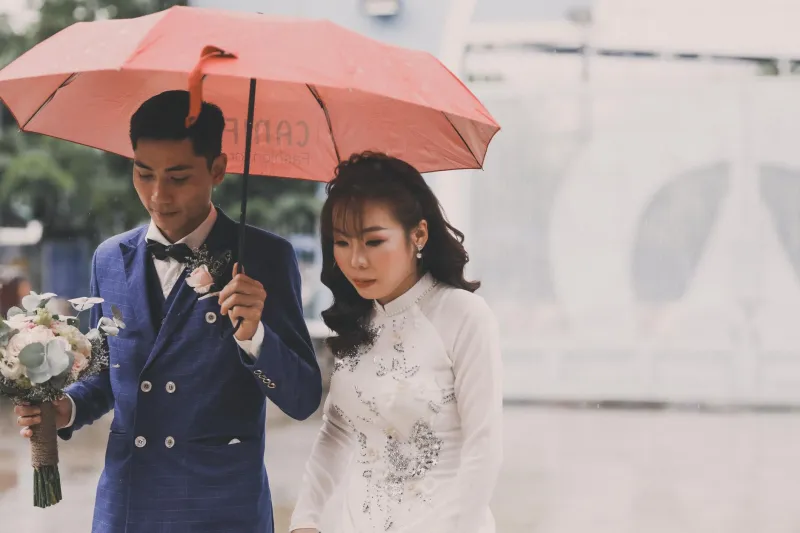
Before You Book: Nine Questions That Separate a Wedding Film From a Wedding Video
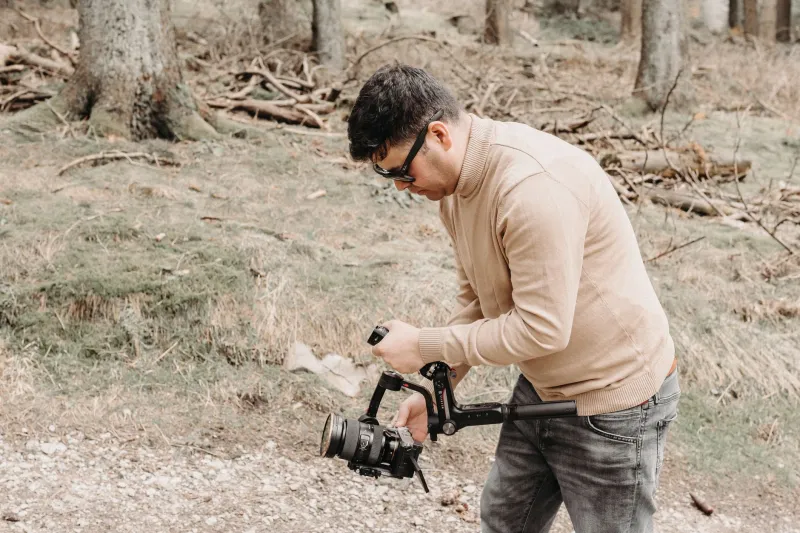
Every couple we meet has done the same thing first: watched a dozen highlight reels on a phone, at night, probably in bed. And fair enough — that's how you find people whose work you like. But a three-minute montage set to a cinematic string track tells you surprisingly little about whether a filmmaker can make something you'll still want to watch in 2046.
So here are the questions worth asking. Not the ones that make for a fun coffee chat, but the ones that tell you how somebody actually works.
1. What story would you tell about us — and how would you find it?
A good filmmaker won't answer this with "candid, natural, documentary-style". That's a style, not a story. Push for specifics. What do they want to know about how you met? Which parts of the day do they think carry the emotional weight? If they can't hazard a guess about what your film might be about after an hour of talking to you, chances are the finished piece will be a beautifully shot sequence of events rather than a story with a spine.
2. How do you actually capture sound?
This is the question almost nobody asks, and it's the one that matters most. Weddings are acoustically horrible: marquees with rain drumming on the roof, high-ceilinged churches, a DJ who's just discovered the volume dial. Ask whether they use lapel mics, a separate audio recorder for the vows, a boom for speeches. Ask how they handle a humanist ceremony outdoors in a stiff breeze.
Here's the thing — people will forgive a slightly soft shot. They won't forgive not being able to hear what was said. Sound is what makes a film feel honest rather than pretty.
3. What happens when the plan falls apart?
Because it will, usually by about 2pm. Ceremony running twenty minutes late. Rain arriving as the confetti is being handed out. Ask how they've handled it before and what they carry for it. A filmmaker who says "we'll just see how the day goes" is telling you they're a passenger. You want someone with a contingency mindset — a wet-weather plan, a sense of where the light will actually be at 5pm in October, and the calm to reshuffle everything without you noticing.
4. How much footage do you shoot, and how much of it makes the film?
It's a revealing ratio. Some filmmakers roll constantly and cut hard; others shoot deliberately and barely trim. Neither is wrong, but the answer shapes what you get. Ask whether a full-length ceremony and speeches edit is included, or available as an add-on, and how long it runs. Plenty of couples want the twenty-minute version for family who couldn't travel — check before you fall in love with a package.
5. Can we watch a full film, not just a highlight reel?
No honest filmmaker will mind this. Ask for a complete piece, start to finish, ideally from a wedding that resembled yours — a similar venue, similar weather, similar guest count. The showreel is the shop window. The full film is the product.
6. Who's actually turning up on the day?
Lots of companies use a name on the website and a rotating roster underneath. That's not automatically a problem, but you should know in advance. Ask how many people will be there, whether you'll meet them beforehand, and what happens if someone's ill. Two shooters who've worked together for years look very different from two strangers freelancing for the same brand.
7. When do we get it — realistically?
Delivery timelines vary wildly. Some studios turn a highlight film around in a fortnight; others quote six months for a full feature. Get the estimate in writing, ask what typically causes delays, and find out whether a short teaser arrives quickly enough to share with guests while the day still feels fresh.
8. How is everything backed up?
, and for how long?
Ask about the boring mechanics: duplicate card recording, two hard drives, cloud backup. Then ask the question that follows you for years: how long do you keep the original footage, and can we buy the raw files?
Storage isn't free, so expectations around archiving are worth agreeing early. Some studios archive masters for a couple of years, some longer, some charge a fee to hand over everything. Whatever the answer, get it in the contract. A decade from now, a hard drive in a drawer isn't a backup plan.
9. What exactly are we given, and will it still play?
Ask for the formats: high-resolution masters, a compressed version for sharing, and something that will survive a code change. A file that only plays on one laptop is not an heirloom. Storing the film in the cloud and on a physical disc and on a drive at your parents' house is unglamorous and exactly right.
The question underneath all the questions
If you had to reduce the whole list to one enquiry, it's this: what will we think of this film in twenty years? Not whether the music still lands, or whether the colour grade looks like the trend of the moment. Whether the voices come through. Whether it was edited honestly, rather than trained to cheerlead. Whether the story it tells is one you recognise as yours.
Ask that one out loud on the call. Watch how the filmmaker responds. The good ones light up.